
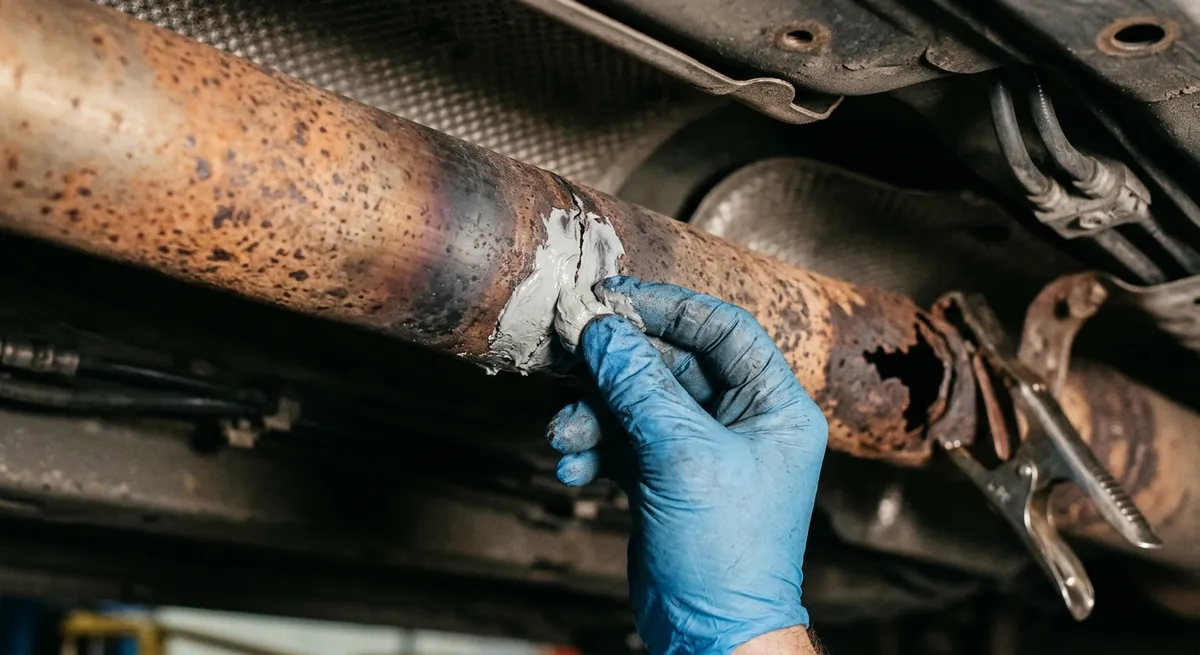
When it comes to exhaust repairs, many DIY enthusiasts turn to J-B Weld, thinking it's a miracle solution. But can this adhesive truly fix an exhaust leak? The answer depends on various factors, and understanding the limits of J-B Weld could save you from costly mistakes.
Understanding J-B Weld
J-B Weld is a popular epoxy adhesive known for its strength and versatility. However, when it comes to exhaust repairs, standard J-B Weld is usually a poor choice. This is due to the extreme heat and stress that exhaust systems endure. While J-B Weld may hold up well in many applications, an exhaust system operates at significantly higher temperatures, which can weaken standard adhesives over time.
Exhaust-Specific J-B Weld Products
Fortunately, J-B Weld does offer exhaust-specific products designed to handle the high heat of exhaust applications. These formulations can effectively patch minor leaks, cracks, and seams. However, it’s essential to remember that these products are intended for temporary fixes — not permanent solutions.
When Are Exhaust-Specific Products Useful?
Exhaust-specific J-B Weld products can help in the following scenarios:
- Minor cracks and leaks: If you're dealing with small, superficial cracks or pinhole leaks, these specialized adhesives can provide a quick fix until permanent repairs are made.
- Temporary solutions: For those who need a temporary fix to get through a tough time — perhaps before a road trip or until you can visit a mechanic — an exhaust-specific J-B Weld can keep you on the road for a while.
- Budget-friendly repairs: If you're looking to save money on car repairs, these products can help you avoid costly replacement parts in the short term.
Limitations of Using J-B Weld for Exhaust Repairs
While J-B Weld and its exhaust-specific variants can patch minor issues, they have limitations:
- Heating and cooling cycles: The expansion and contraction from heat can lead to adhesive breakdown over time, potentially leading to larger problems.
- Not a substitute for welding: Larger cracks or structural damage in the exhaust system typically require welding. Using adhesive alone in these situations can be unsafe and may result in a failed repair.
- Dangers of improper application: If not applied correctly, any adhesive repair can lead to exhaust leaks that may cause harmful fumes to enter the cabin or create fire hazards.
Common DIY Exhaust Repair Mistakes to Avoid
As you consider your options, keep these common mistakes in mind:
- Over-reliance on adhesives: Don't assume that any adhesive will work on exhaust issues. Always opt for the type recommended for high temperatures and exhaust use.
- Ignoring underlying issues: Minor leaks can become significant if left unattended. Make sure to monitor any repairs made with adhesive solutions.
- Delaying professional intervention: If you're facing significant damage or an ongoing issue, don’t hesitate to consult a professional mechanic or welder. It could save you from more costly repairs down the line.
When to Call It Quits
Ultimately, while J-B Weld fillers can provide a temporary reprieve for small exhaust issues, they should not replace professional repair or welding solutions for serious damage. If you've got a severe leak or crack in your exhaust system, it's best to leave it to the experts.
Takeaway
Know the limits of J-B Weld products for exhaust repairs. They can patch minor leaks temporarily but are not a substitute for professional welding or replacement. Choose wisely, and keep your vehicle running safely.